Zhejiang Kaidi Refrigeration Equipment Co., Ltd

  • 30+

    業界経験年数

  • 300+

    従業員数

  • 1000万

    輸出額

  • 100000+

    工場面積

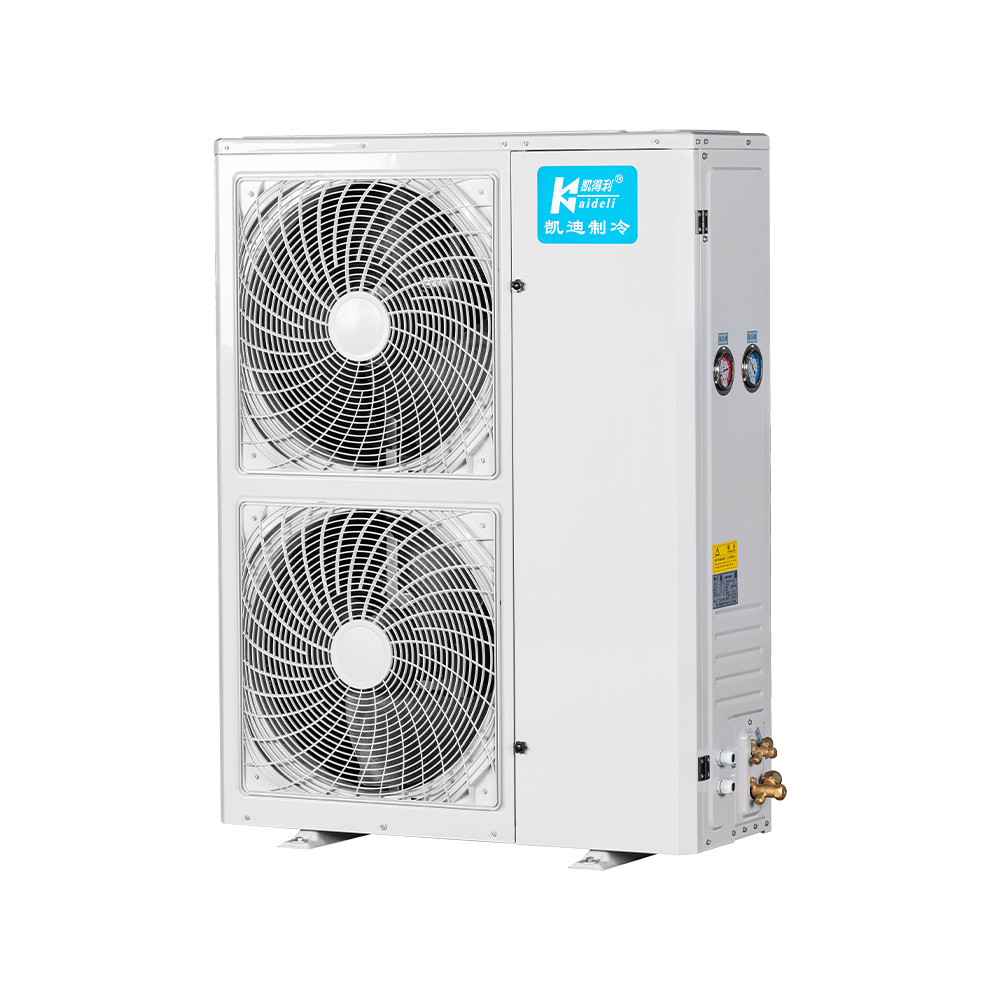
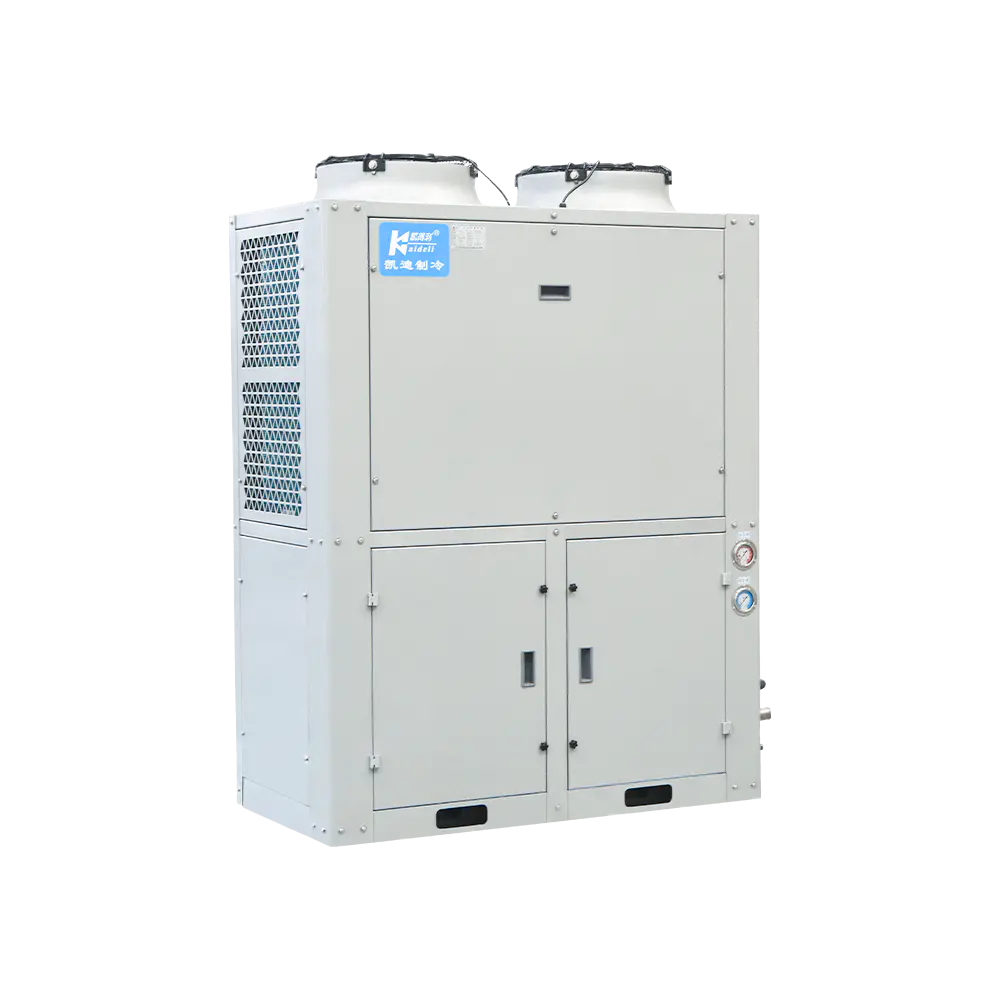
Zhejiang Kaidi Refrigeration Equipment Co., Ltd.は1995年に設立され、「Kadeli」を登録商標としています。冷凍分野における約30年にわたる専門性を背景に、研究開発、製造、販売前のソリューション設計、製品供給、試運転、そして充実したアフターサービスまでを一貫して提供する技術主導型企業へと成長しました。浙江省嵊州市に本社を置き、工場面積は10万平方メートル、近代的な工場建屋は6万平方メートル以上、オフィスは8,000平方メートル以上を有し、さらに上海虹橋オフィス(研究開発センター)、広州番禺オフィス、北京支社なども構えています。

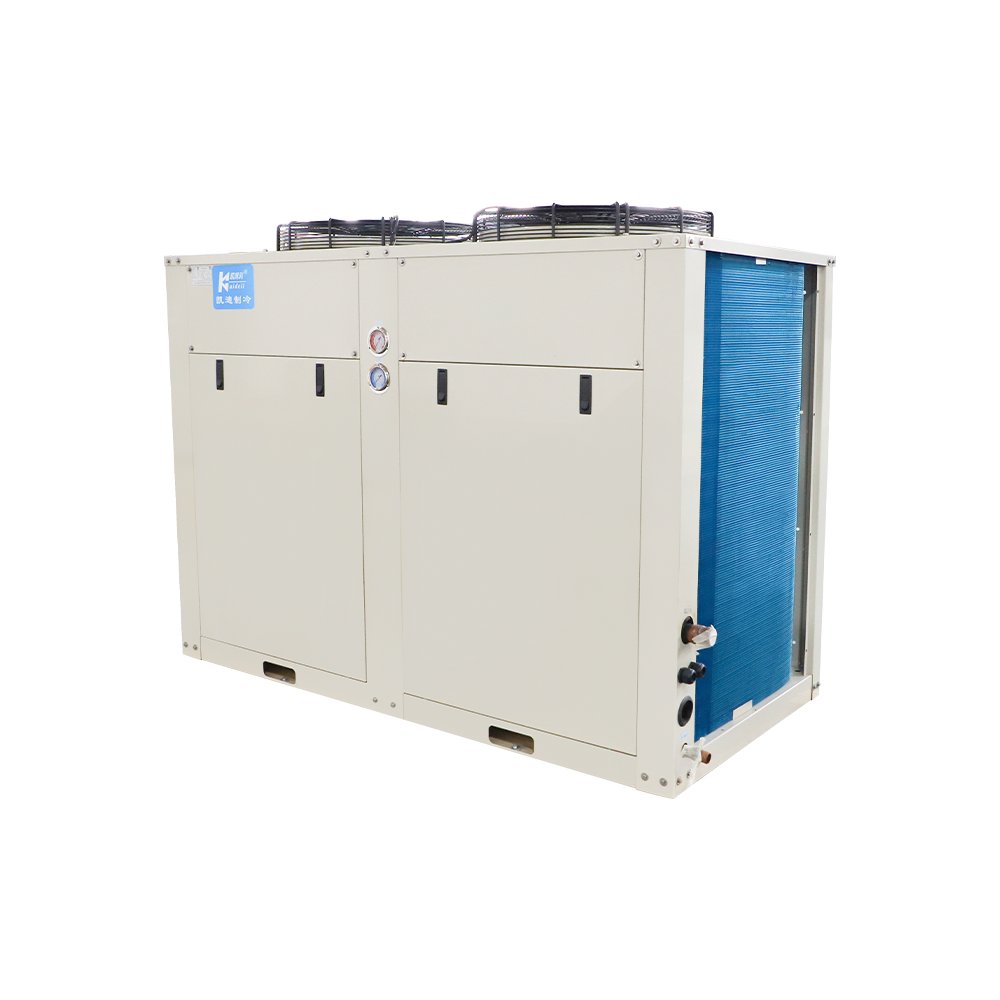
専門的な 凝縮ユニット メーカー および 中国 凝縮ユニット 工場, 長年の発展を経て、当社はトップ500企業の経営陣と標準化された効率的な運営体制、そして強力な技術研究開発力を備えています。工場には完備された先進的な数値制御加工設備と高水準の試験検査室を備え、強力な製品開発力とリーンな加工・製造能力を有しています。専門的な販売前技術サポートとアフターサービス保証体制を構築し、先進的な冷凍設備の研究開発・生産だけでなく、高品質なお客様に一流の製品とサービスを提供する総合ソリューションプロバイダーとして、当社の目的と目標を確実に果たしています。

当社の販売・サービスネットワークは全国に広がるだけでなく、ここ数年は世界でも急速に発展しており、「Kaideli」ブランドの冷凍製品は国内外で高い評判を得て、お客様から称賛と評価をいただいています。現在のお客様には、GLP、順豊、京東、雅冷、凱橙などのコールドチェーン物流企業、五豊、ホリデイ、利高、青美、祖名、安井、思念などの食品加工企業、麦金地、緑城、味知香などのセントラルキッチン、温氏、新寧などの食肉処理企業、香如生物、桂王、華光、宗興茸、麗沙などの食用菌工場栽培企業、さらに上海医薬品、中国医薬集団などが含まれます。

栄誉と証明書

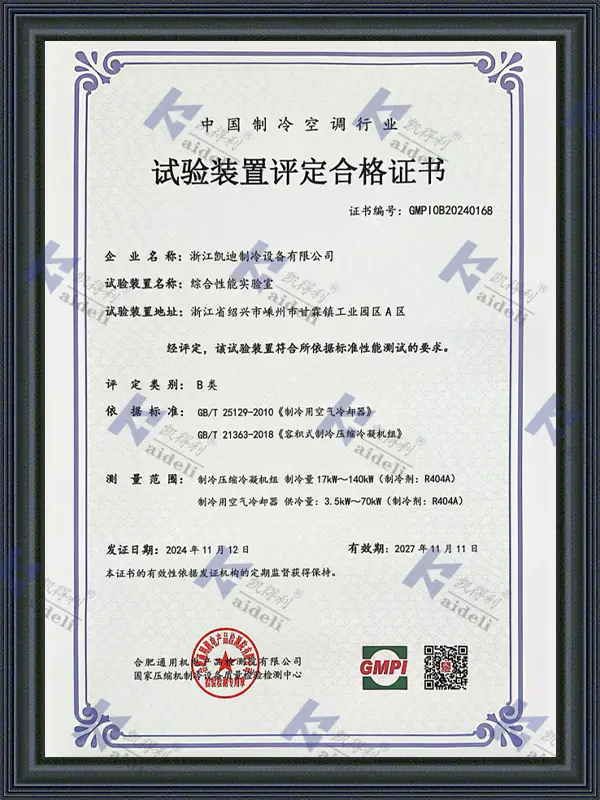
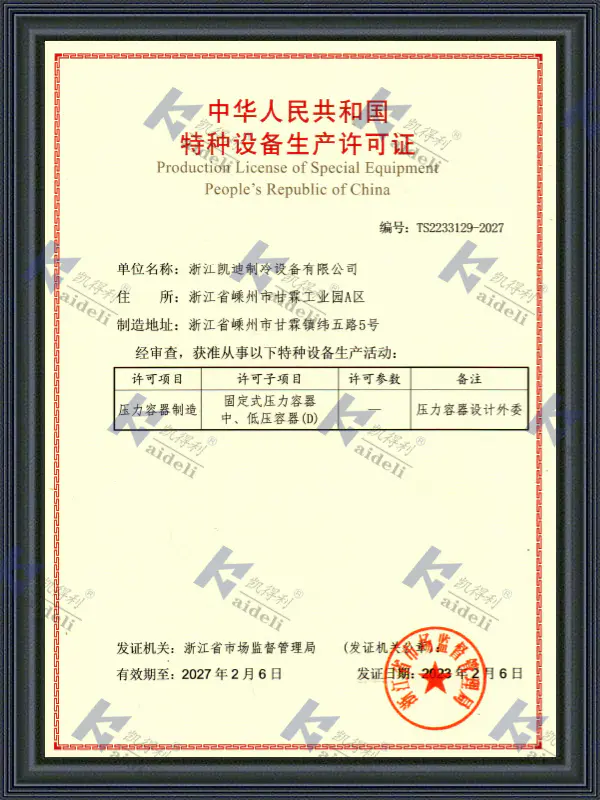
会社設立以来、IS09001品質マネジメントシステム認証、ISO4001環境マネジメントシステム認証、ISO45001労働安全衛生マネジメントシステム認証を取得しております。また、工業製品生産許可証および中華人民共和国特殊設備製造許可証なども取得しています。

  • 試験装置評価用適合証明書
  • 特殊機器製造業許可
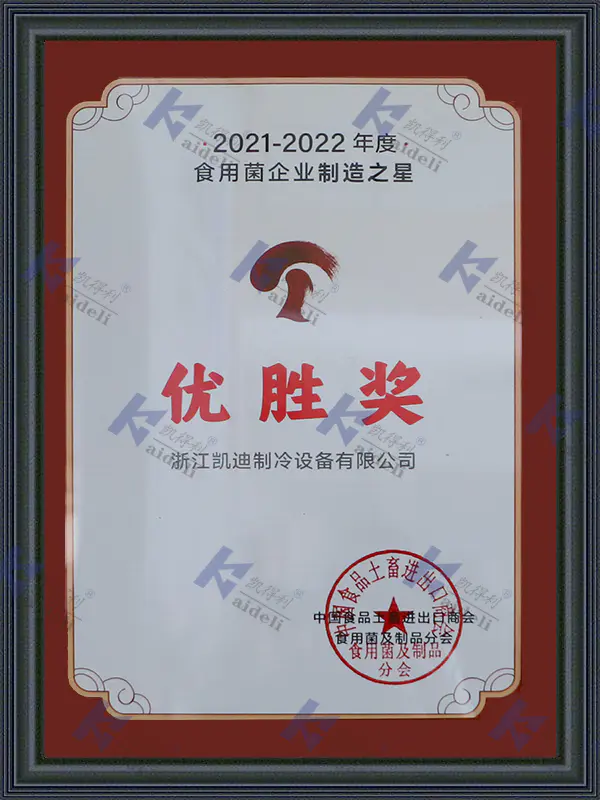
  • 食用キノコ企業製造スター
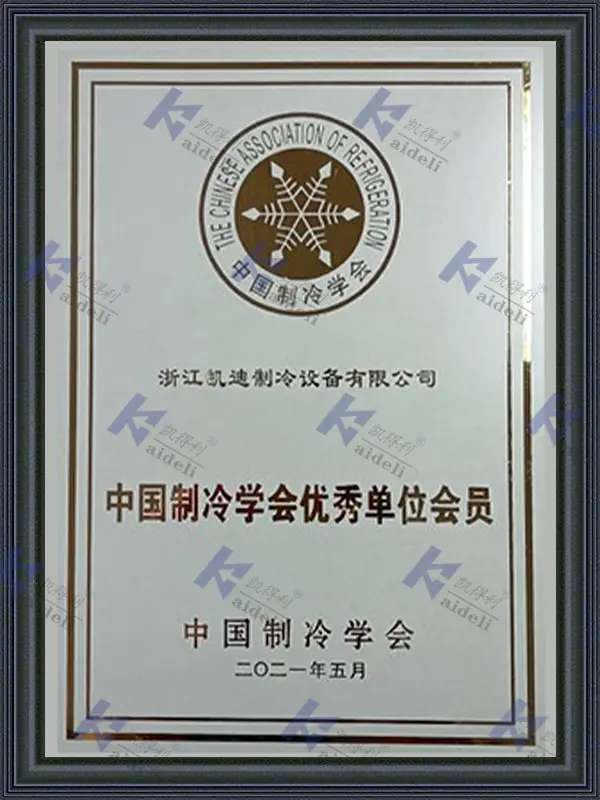
  • 中国冷凍研究会優秀ユニット会員
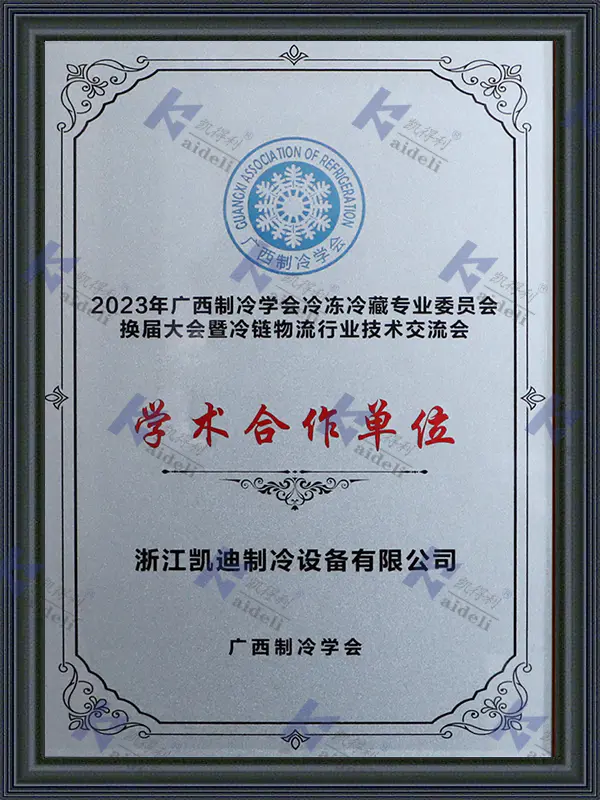
  • 2023 年広西チワン族自治区冷凍協会冷凍冷蔵専門委員会
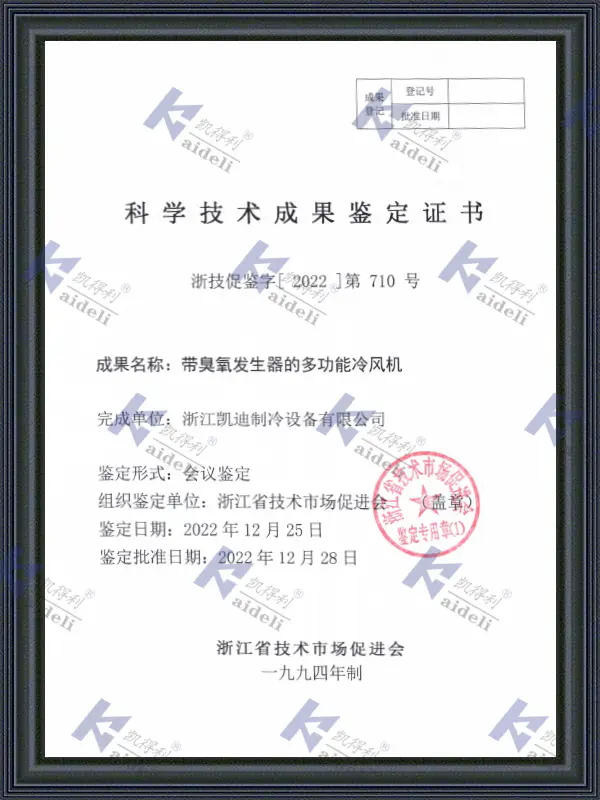
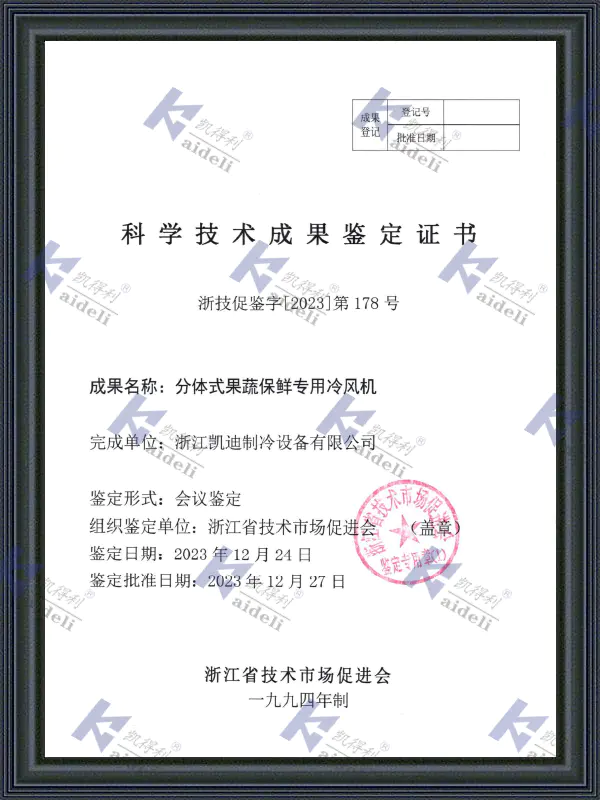
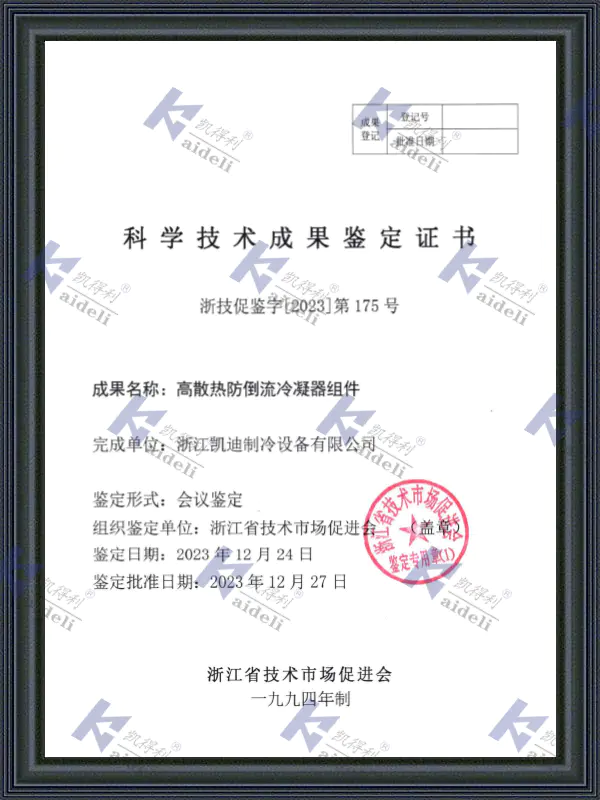
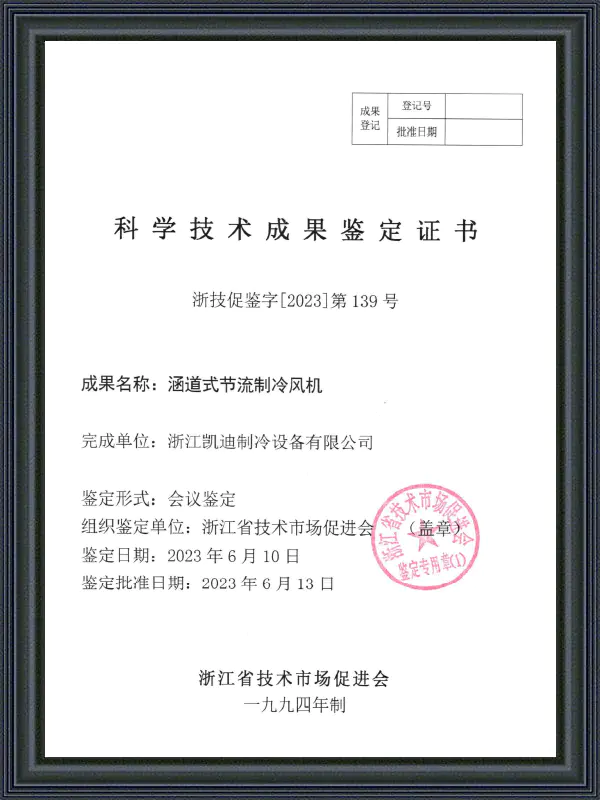
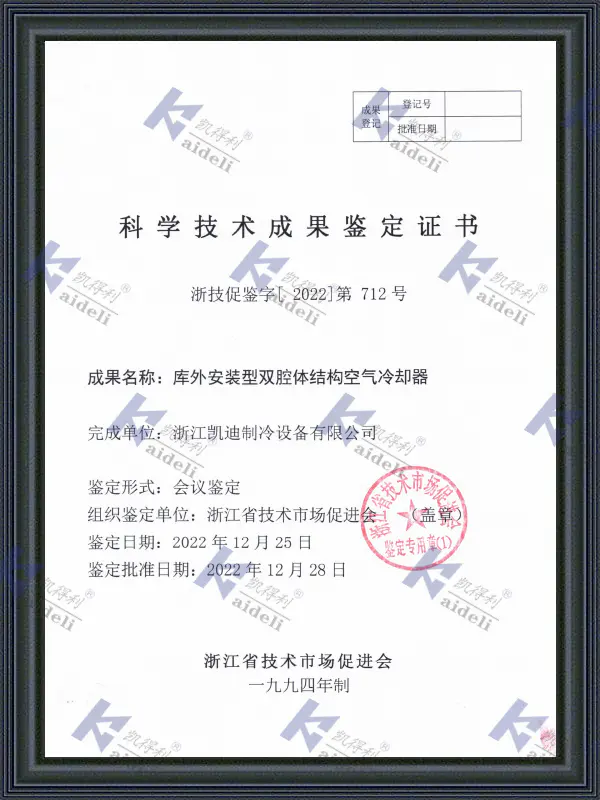
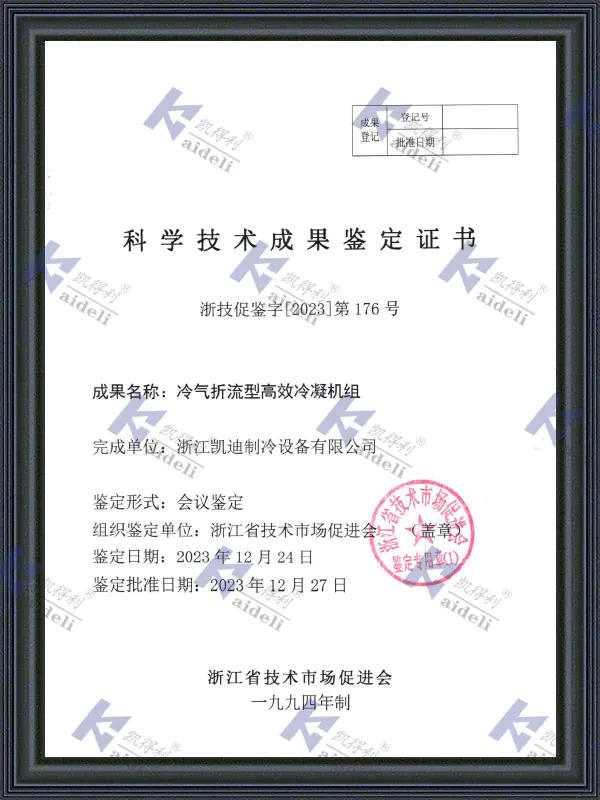
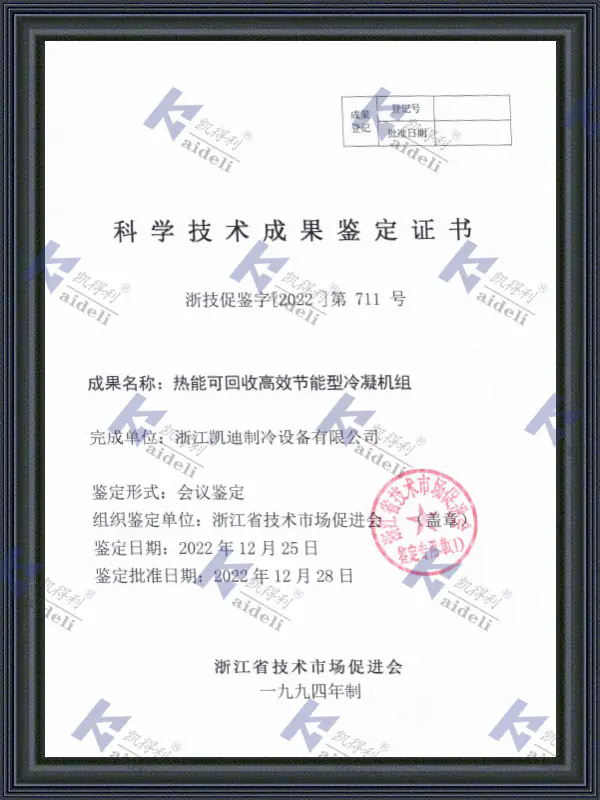
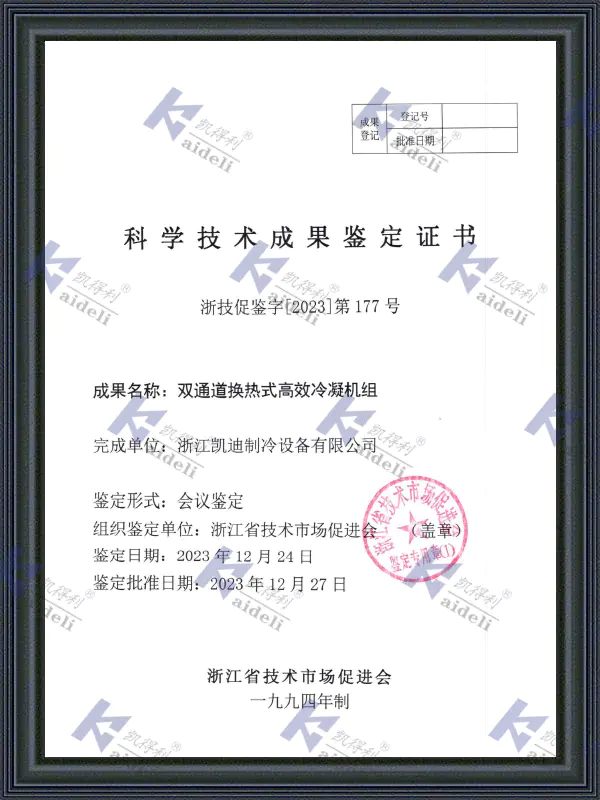
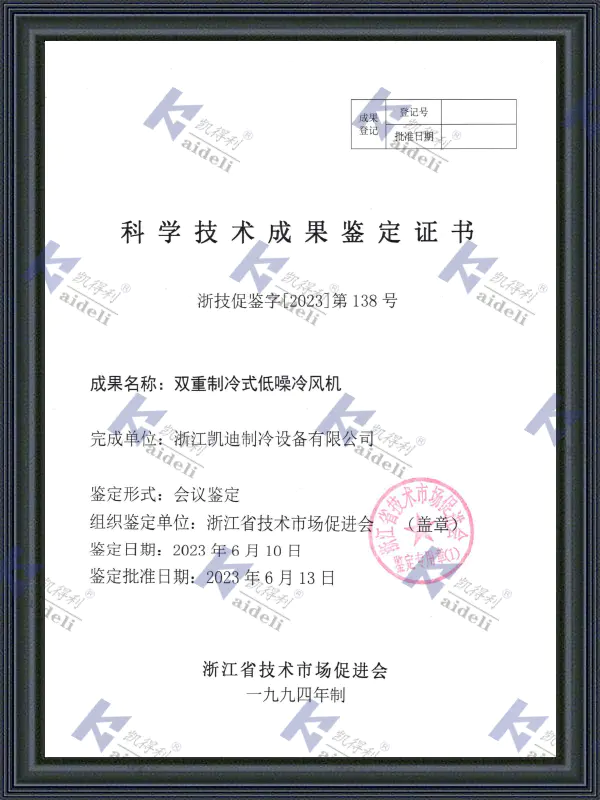
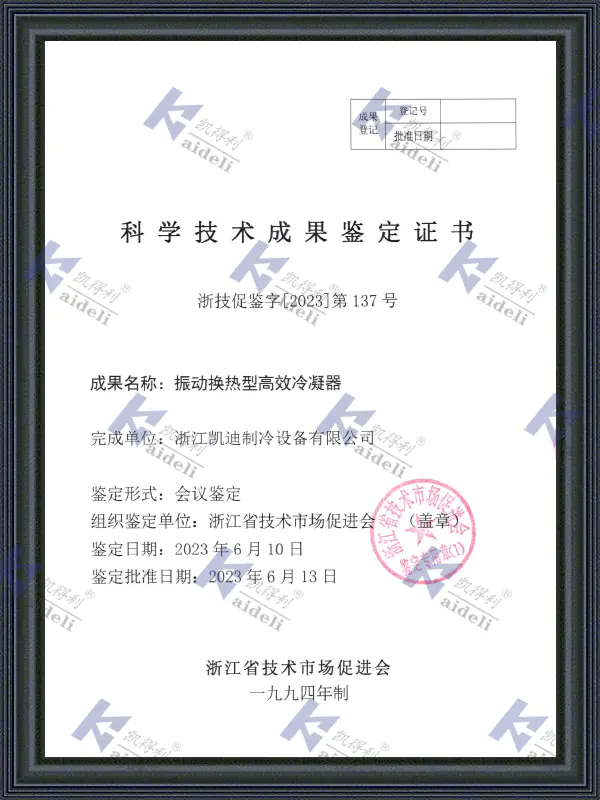
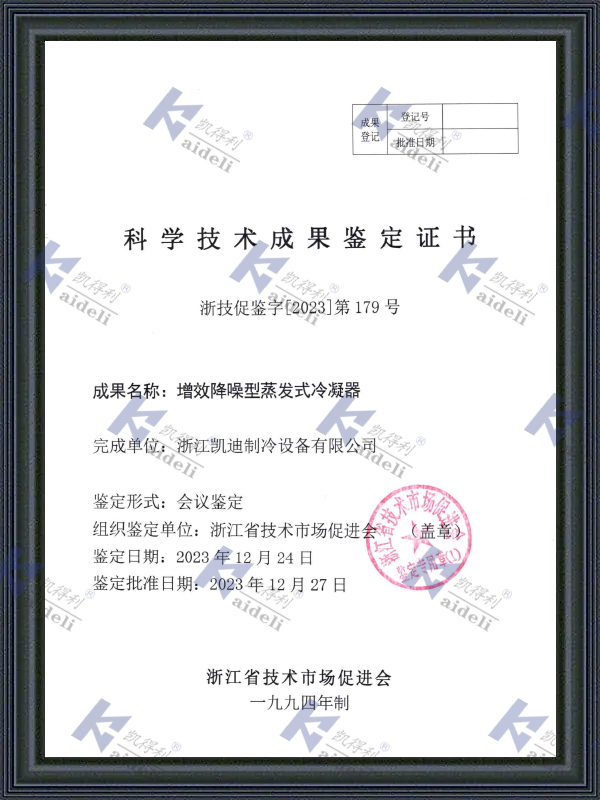
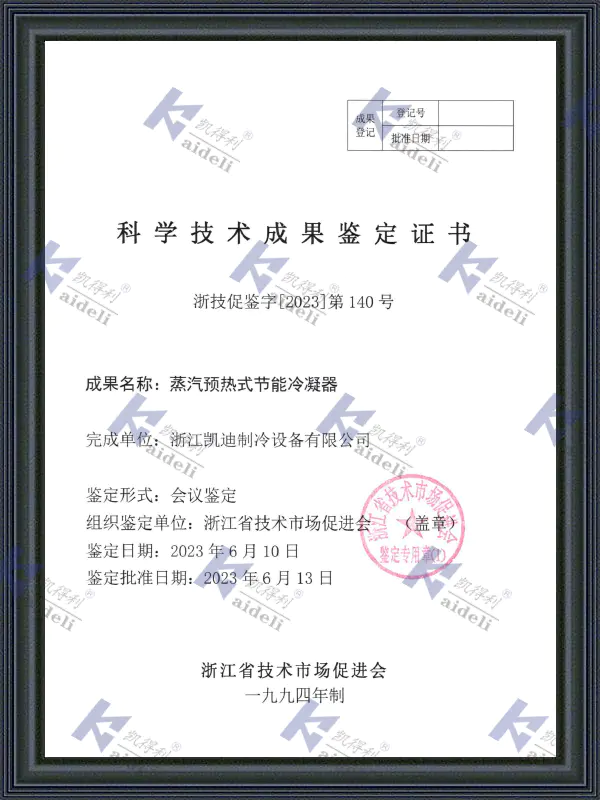
  • 科学技術業績評価証明書
  • 科学技術業績評価証明書
  • 科学技術業績評価証明書
  • 科学技術業績評価証明書
  • 科学技術業績評価証明書
  • 科学技術業績評価証明書
  • 科学技術業績評価証明書
  • 科学技術業績評価証明書
  • 科学技術業績評価証明書
  • 科学技術業績評価証明書
  • 科学技術業績評価証明書
  • 科学技術業績評価証明書
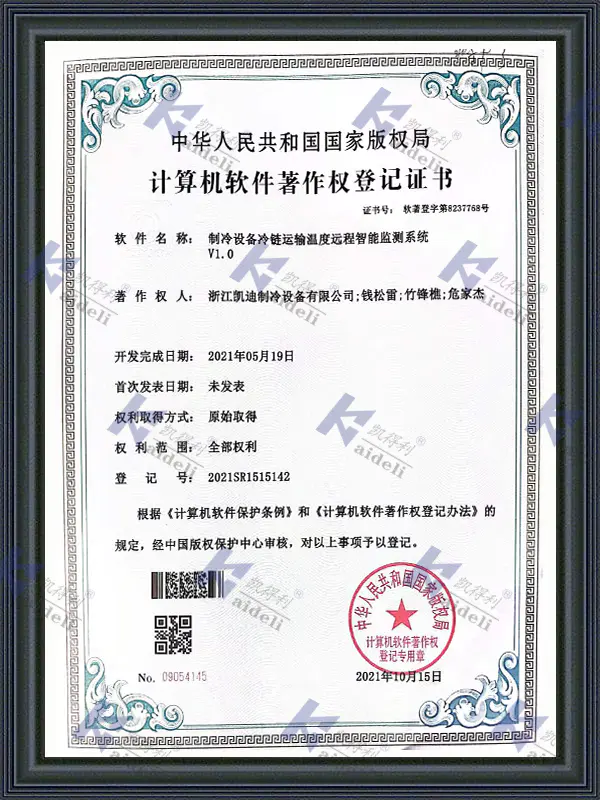
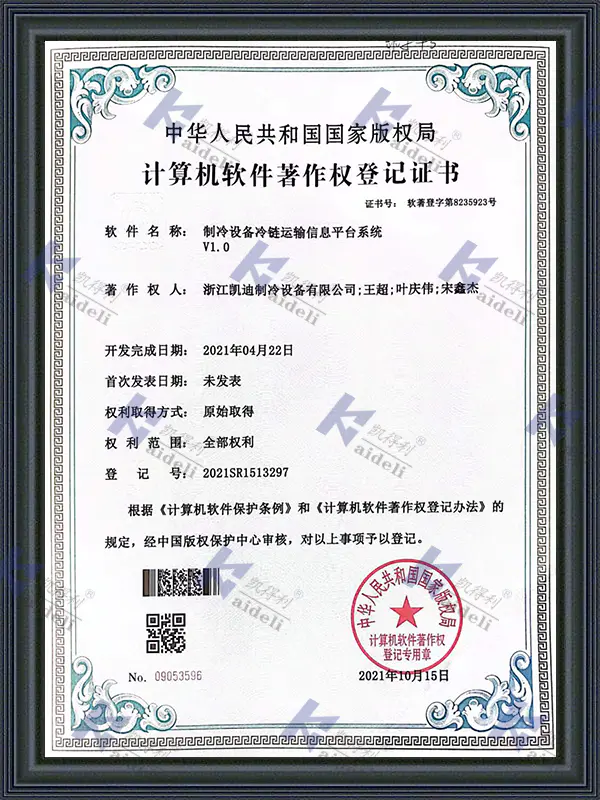
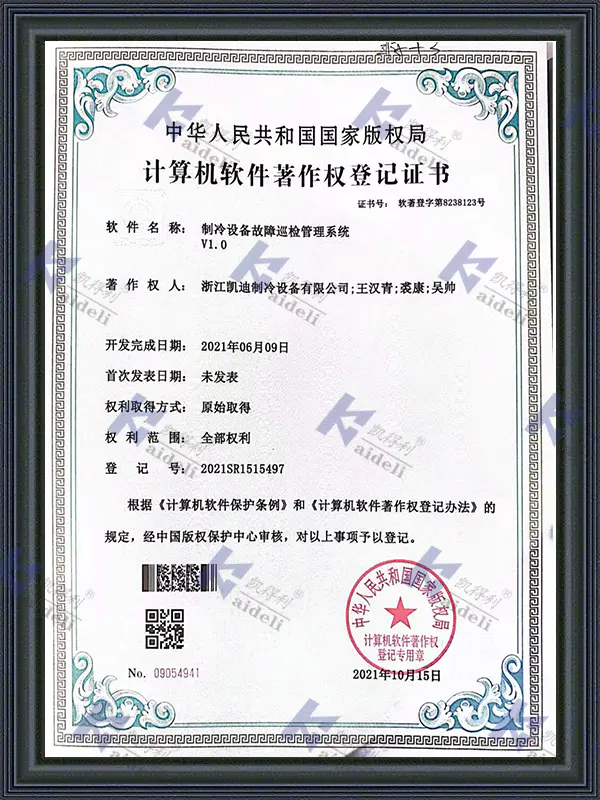
  • コンピュータソフトウェア著作権登録証明書
  • コンピュータソフトウェア著作権登録証明書
  • コンピュータソフトウェア著作権登録証明書
最近のニュースとイベント
あなたと共有する
もっとニュースを見る
  • 02 Nov,2026

    研究室用チラーの選択ガイド: 容量、安定性、凝縮器のタイプ
    医薬品開発研究所では、25℃に保つ必要がある発熱合成用に 10 リットルのジャケット付き反応器を稼働させています。反応の最初の 5 分間で、このプロセスでは約 1.5 kW の熱が発生します。反応器ジャケットに接続された再循環冷却器が熱を十分に迅速に除去できず、温度を±0.5℃以内に維持できない場合、バッチ温度がオーバーシュートし、製品が劣化する可能性があり、運転全体を停止する必要があります。このため、研究室で使用するチラー...
  • 26 Oct,2026

    CO2 チラーガイド: CO2 チラーの仕組み、コスト、選択、および用途
    産業用または商業用の冷却装置を評価している場合、その直接の答えは次のとおりです。CO2 チラーは、二酸化炭素 (R744) を冷媒として使用する蒸気圧縮チラーであり、高 GWP 冷媒に依存せずに、約 5°C から -35°C まで冷水、ブライン、または直接膨張冷却を供給できます。 CO2 の臨界温度は 31.1℃ しかないため、チラーは暖かい日に遷臨界領域で頻繁に動作し、高圧側圧力は R134a または R404A マシンの...
  • 19 Oct,2026

    冷蔵室冷凍システム: 完全な購入および設計ガイド 2026
    適切なサイズの冷蔵室冷凍システムにより、室内の温度が維持されます。 /設定値の-1℃ そして消費する 20% ~ 30% の電力削減 単に「十分な大きさ」のシステムではありません。その違いは日常の運用で目に見えてわかります。製品の保存期間が延長され、コンプレッサーの稼働時間が安定し、メンテナンスコストが削減されます。すべての冷蔵室プロジェクトは、負荷の計算、凝縮ユニットの選択、蒸発...
  • 12 Oct,2026

    多くのセントラル システム チラーが効率を上げるために水冷コンデンサーを使用する理由 |カイディ
    水冷コンデンサーがセントラルチラーの標準である理由 病院にある 400 トンの中央冷却装置を想像してください。機械室は狭く、屋根にはすでに換気装置が詰め込まれており、施設管理者は光熱費をできるだけ低く抑えたいと考えています。これら 3 つの制約は、同じ解決策、つまり水冷コンデンサーを指します。実際、容量 100 トンを超えるセントラル システム チラーのほとんどは、主な理由が 1 つあり、水冷コンデンサーを使用し...

メッセージを送信

[#入力#]

メッセージを残してください*

よくある質問

  • Q. お問い合わせ後、どれくらいで返信が来ますか?

    お問い合わせをいただいてから営業日以内に24時間以内にご返信させていただきます。
  • Q. あなたの工場には何人の従業員がいますか?

    同社には現在 300 名以上の従業員がおり、そのうち 100 名以上の専門技術者がいます。

  • Q. あなたの会社は製品の品​​質をどのように確保していますか?

    まず、各工程後に検査を行います。最終製品については、お客様の要求事項と国際規格に基づいて完全な検査を実施します。

業界知識
A condensing unit is the heat transfer core of a refrigeration system, realizing heat transfer through the phase-change cycle of refrigerant. Its core working process is as follows: the compressor draws low-temperature and low-pressure refrigerant vapor from the evaporator, compresses it into a high-temperature and high-pressure state, and then delivers it to the condenser. The refrigerant releases heat and liquefies through heat exchange with air or water (cooling medium). After that, it is depressurized and cooled by the throttling device before returning to the evaporator to absorb heat from the cooled object and complete the cycle. In this process, the condensing unit must work collaboratively with components such as evaporators and throttle valves to form a complete refrigeration system.

Key Core Components

  1. Compressor: The power core that determines the cooling capacity and energy efficiency of the unit. Kaidi units are equipped with various types of compressors including piston, scroll, and screw compressors to meet the needs of different scenarios.
  2. Condenser: The heat release component, divided into three types: air-cooled, water-cooled, and evaporative. All Kaidi unit series adopt high-efficiency heat exchange design, with the heat transfer coefficient increased by more than 12% compared with industry standards.
  3. Throttling Device: Regulates refrigerant flow and pressure. Kaidi adopts electronic expansion valves for precise control, with temperature control accuracy up to ±0.5℃.
  4. Auxiliary Components: Including oil separators, dry filters, liquid receivers, etc. Kaidi units are equipped with customized auxiliary components, extending the service life of the system by more than 30%.

Key Industry Terms

Term Definition Kaidi Application Advantages
Condensing Temperature The corresponding temperature when the refrigerant liquefies The unit can achieve wide-range adjustment from 5-50℃, adapting to different environments
Heat Transfer Coefficient Core indicator for measuring heat exchange efficiency Air-cooled models reach 35-60W/(㎡·K), water-cooled models exceed 1000W/(㎡·K)
Cooling Capacity The amount of heat transferred per unit time Covers a range of 0.5-1200kW, meeting the needs from micro to large-scale scenarios
COP Value Ratio of cooling capacity to power consumption The average COP of the unit is ≥3.8, reaching the first-level energy efficiency standard
Evaporation Temperature The corresponding temperature when the refrigerant evaporates and absorbs heat Can reach as low as -55℃, suitable for ultra-low temperature refrigeration scenarios

Core Technical Advantages

  1. High-efficiency Heat Exchange Technology: Adopting optimized fin structure and flow channel design, the heat exchange efficiency of Kaidi condensing units is increased by 15%-20% compared with traditional products, and the operating energy consumption is reduced by more than 12%.
  2. Intelligent Control Technology: Equipped with PLC control system, supporting remote monitoring and automatic adjustment, which can dynamically adjust the operating status according to load changes to achieve precise temperature control and energy-saving operation.
  3. Stable Operation Technology: Equipped with multiple protection devices (overload, overvoltage, phase loss protection, etc.), combined with low-noise design and anti-harsh environment structure, the continuous operation failure rate of the unit is less than 0.3%.
  4. Environmentally Friendly Adaptation Technology: Compatible with environmentally friendly refrigerants such as R290 and R410A, complying with EU CE and domestic GB standards, helping customers achieve green production.

Full-series Product Features and Application Scenarios

Product Type Core Features Applicable Scenarios Kaidi Exclusive Advantages
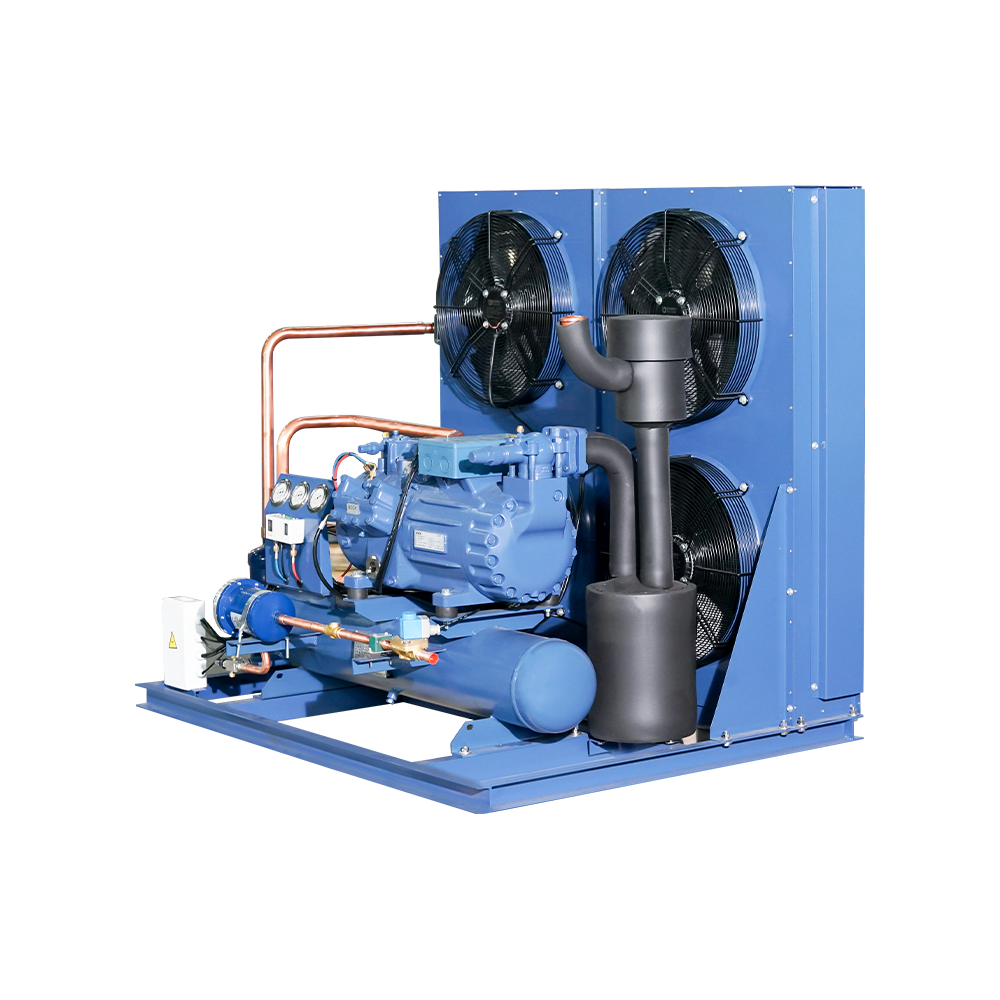
Open Type Condensing Unit Compact structure, easy maintenance Industrial water chillers, medium-sized cold storage Customizable layout, adapting to complex installation environments
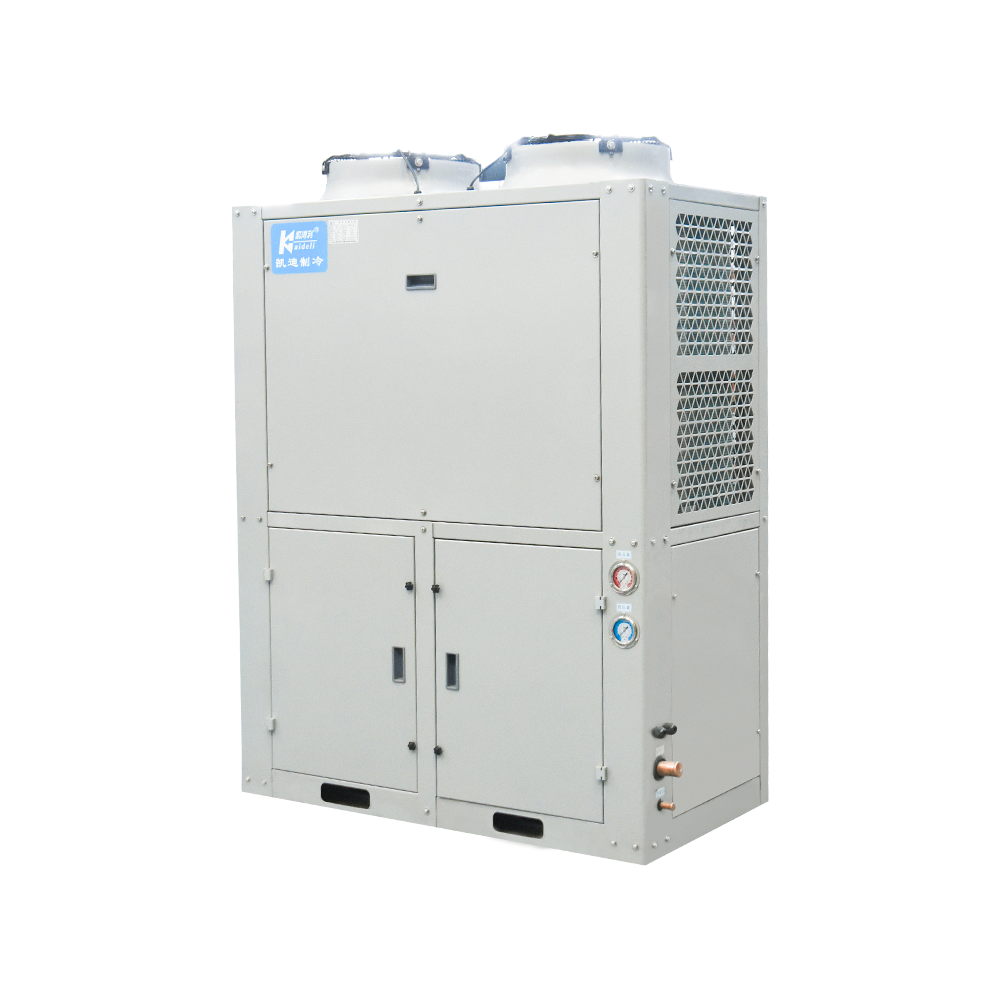
Box Type Condensing Unit Fully enclosed design, low-noise operation Supermarket cold chain, food processing workshops IP54 protection level, dustproof and waterproof, noise ≤65dB
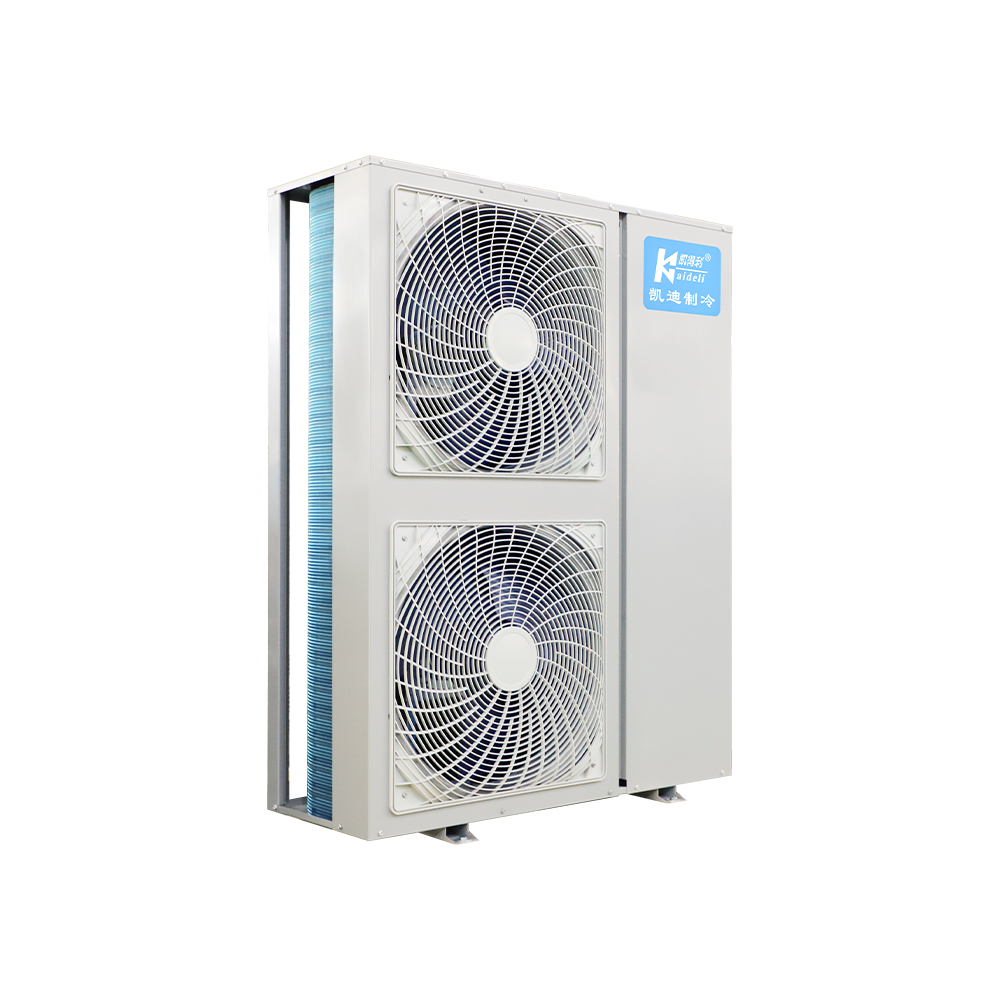
Mini Condensing Unit Small size, ultra-low energy consumption Small refrigerators, laboratory equipment Cooling capacity 0.5-5kW, standby power consumption only 15W
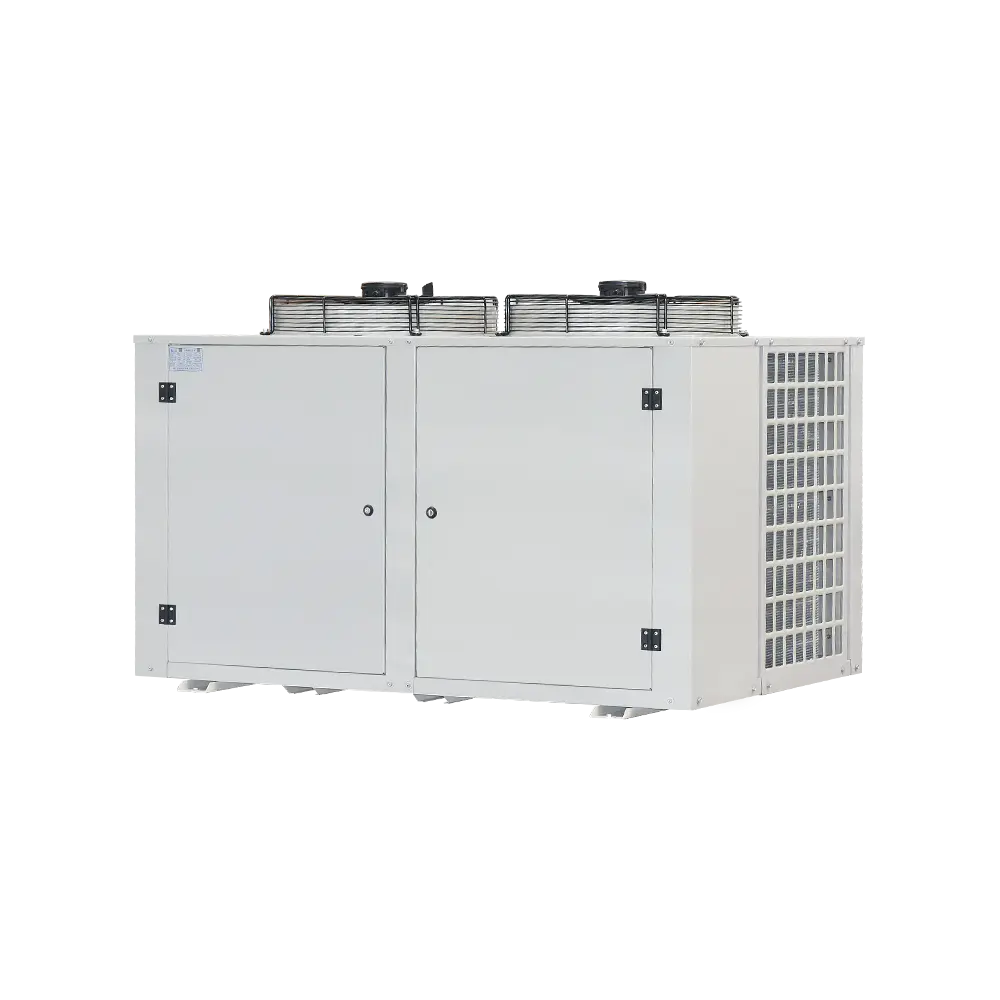
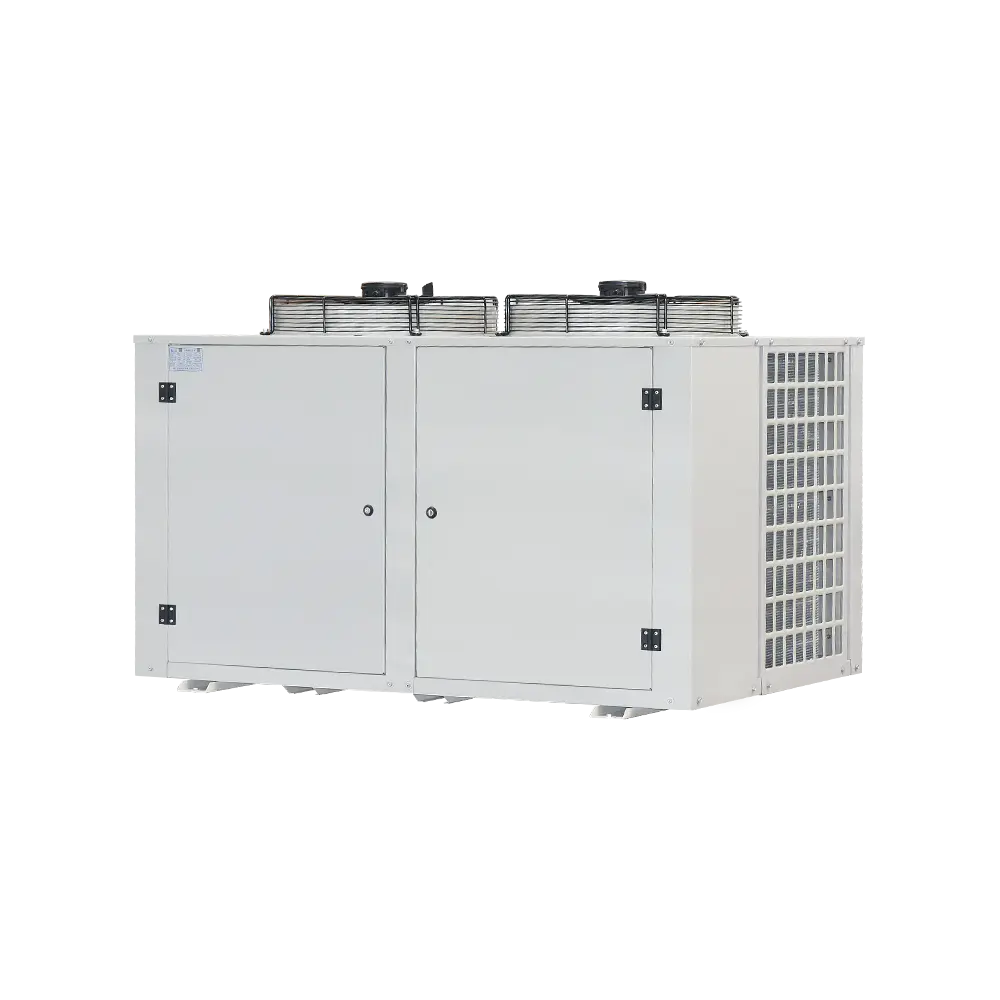
U Type Condensing Unit Large heat exchange area, low wind resistance Medium-sized cold storage, cold chain logistics turnover warehouses Windward wind speed up to 3.2m/s, heat exchange efficiency increased by 18%
V Type Condensing Unit High space utilization rate, uniform heat dissipation Commercial air conditioners, data centers Adopting dual-fan design, temperature distribution deviation ≤2℃
Piston/Scroll Parallel Condensing Unit Modular design, flexible expansion Large cold storage, cold chain logistics parks Supporting parallel operation of multiple units, cooling capacity can be expanded on demand
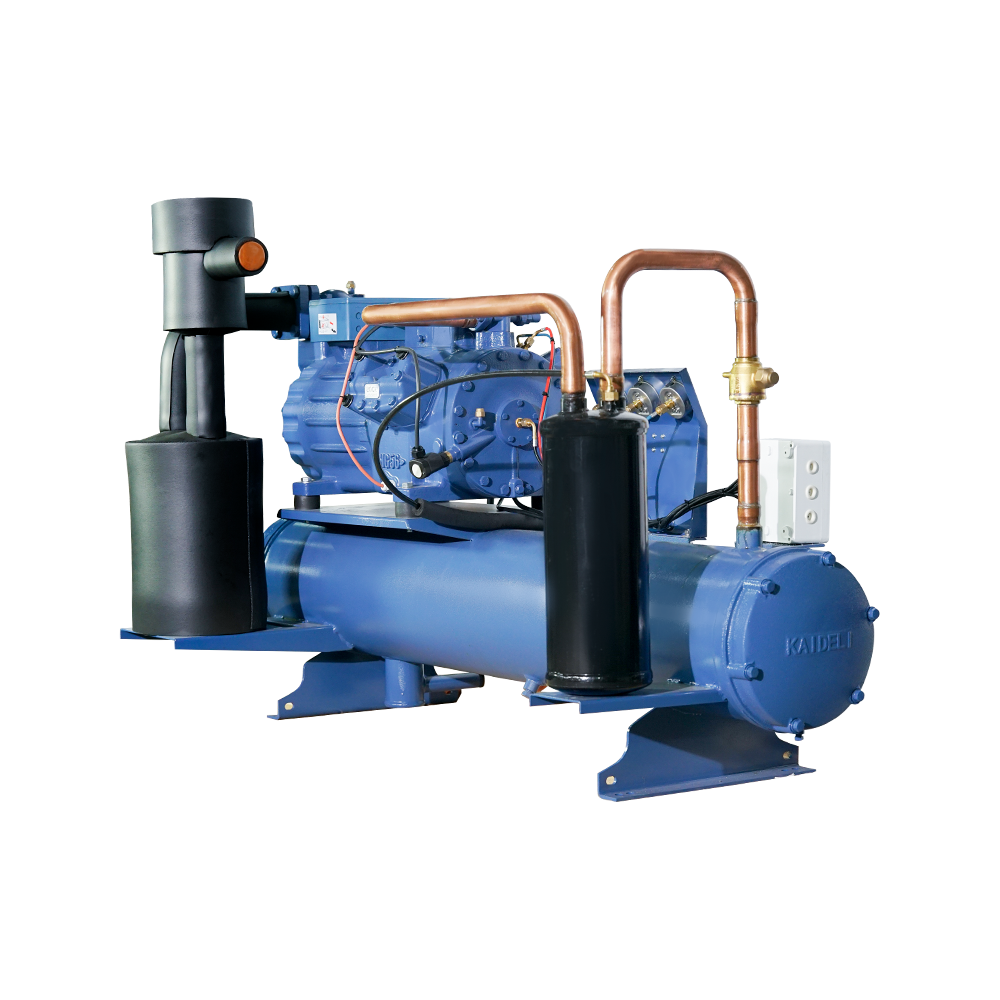
Screw Condensing Unit High power, high efficiency Industrial refrigeration, large-scale cold chain bases Cooling capacity 50-1200kW, COP value up to 4.5
Barrel Pump Condensing Unit Long-distance liquid supply, high heat exchange efficiency Distributed cold storage, large food processing plants Liquid supply distance up to 500 meters, evaporator heat exchange efficiency increased by 25%
Other Condensing Units Personalized design, adapting to special needs Low-temperature laboratories, special refrigeration scenarios Supporting ultra-low temperature customization of -55℃, meeting special industry standards

Condensing Unit Selection Guide

Core Selection Factors

  1. Cooling Capacity Requirements: Calculate based on the volume, temperature requirements and heat load of the cooled object. Kaidi provides professional pre-design calculation services to accurately match unit models.
  2. Operating Environment: Prioritize evaporative or water-cooled units in high-temperature environments; recommend air-cooled products in water-scarce areas. All Kaidi series have environmental adaptability.
  3. Operating Conditions: Recommend screw or parallel units for low-temperature scenarios (≤-20℃); scroll or piston units are optional for normal-temperature scenarios (0-10℃).
  4. Energy Efficiency Requirements: Choose first-level energy efficiency units for energy conservation. Kaidi screw units and parallel units all meet the national first-level energy efficiency standards.
  5. Installation Conditions: Choose Mini or V-type units for space-constrained areas; prioritize barrel pump units for long-distance liquid supply. Kaidi provides on-site survey and installation scheme design.

Installation and Maintenance Key Points

Installation Specifications

  1. Reserve a heat dissipation space of ≥30cm for unit installation; avoid direct sunlight and closed environments for air-cooled units.
  2. Adopt flange or welding connection for pipeline connection; pressure test must reach 1.6MPa and maintain pressure for 24 hours without leakage.
  3. Electrical connection must comply with local voltage standards, with grounding resistance ≤4Ω. Kaidi provides professional installation guidance and commissioning services.

Daily Maintenance Process

  1. Daily: Check operating pressure, temperature and noise, and record unit operating parameters.
  2. Weekly: Clean dust on condenser fins, check refrigerant level and oil level.
  3. Monthly: Tighten electrical wiring, test the effectiveness of protection devices.
  4. Annual: Conduct comprehensive disassembly and cleaning, replace filters and lubricating oil. Kaidi provides annual maintenance service packages.

Common Fault Troubleshooting

Fault Phenomenon Possible Causes Troubleshooting Methods
Insufficient cooling capacity Condenser blockage, refrigerant leakage Clean the condenser, detect leakage points and replenish refrigerant
High operating noise Fan imbalance, compressor failure Calibrate the fan, check compressor bearings and shock absorption devices
Frequent unit start-stop Thermostat failure, large load fluctuation Calibrate or replace the thermostat, optimize system load regulation
High-pressure alarm Excessively high condensing temperature, insufficient cooling water/air volume Clean the heat exchange surface, check the operation status of water pumps or fans

Frequently Asked Questions (FAQ)

  1. How to choose the cooling method of the condensing unit?
    For sufficient water sources and pursuit of high heat exchange efficiency, water-cooled type is preferred; for water-scarce areas or limited installation space, air-cooled type is optional; for dry areas and need to balance energy conservation, evaporative type is recommended. Kaidi can provide customized solutions according to on-site conditions.
  2. What are the advantages of parallel condensing units?
    Parallel units have the advantages of modular expansion, energy saving under partial load, and redundancy guarantee. A single unit failure will not affect the overall operation. Kaidi parallel units support the combination of 2-16 modules, with energy efficiency increased by more than 20% under partial load.
  3. How to achieve energy-saving operation of condensing units?
    Choose first-level energy efficiency products, equip with intelligent control systems, and regularly maintain heat exchange components. Kaidi units are equipped with permanent magnet synchronous motors and frequency conversion technology, with energy efficiency increased by 35% when the load rate is 30%, saving 15%-25% of annual electricity costs.